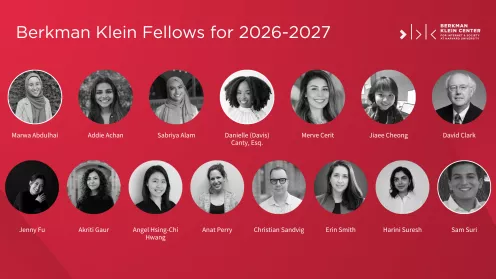
BKC Welcomes 2026-27 Fellows
New and returning fellows unite at BKC this fall
The Berkman Klein Center for Internet & Society is pleased to welcome its 2026–2027 fellows, an interdisciplinary group of researchers, technologists, and practitioners exploring how artificial intelligence is reshaping public institutions and human relationships.
Joining BKC’s returning fellows, this year’s cohort brings expertise spanning computer science, psychology and neuroscience, law and policy, human-computer interaction, digital governance, and technology accountability. Their work examines AI not only as a rapidly developing technology, but as an increasingly powerful presence in the systems and relationships through which people make decisions, exercise agency, establish trust, and understand one another.
“As BKC celebrates its 30th anniversary, many technology and policy specifics have shifted, but the urgency to address them with more timeless values and rigor remains. This extraordinary group of people is doing just that,” said co-founder and Faculty Director Jonathan Zittrain.
Across projects on human-AI relationships, democratic participation, religious authority, youth safety and wellbeing, empathy, and AI accountability, the cohort will investigate both AI systems’ novel capabilities and the implications for people, policy, and technology development.
This year’s dynamic group of multidisciplinary fellows will further enliven BKC's extraordinary community and advance BKC’s emerging focus on AI and the human experience through their independent research, new ideas, and contributions to critical conversations with leaders in policy, industry, civil society, and academia,” said Executive Director Alex Pascal.
Meet the fellows and learn more about their work below:
2026-2027 New Fellows:
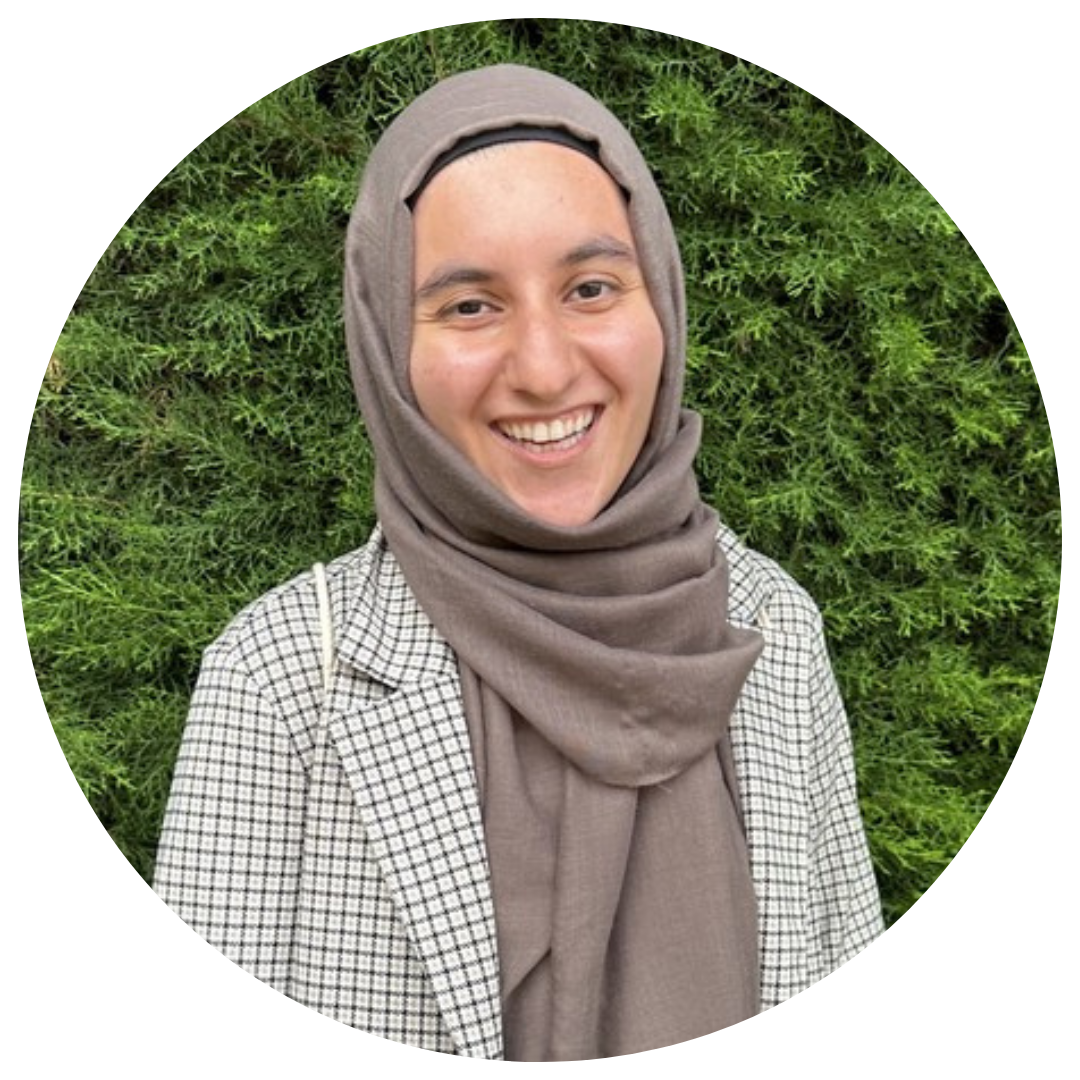 Marwa Abdulhai
Marwa Abdulhai recently completed her PhD in Computer Science at UC Berkeley and is a researcher who focuses on building goal-directed agents that operate within the complexities of the real-world, including improving the performance of existing large language models (LLMs) for multi-turn dialogue interactions, developing simulators for human behavior, and understanding how to protect against deception in AI systems. In the coming year as a fellow, she will study what it means to preserve human agency in human-AI interactions, particularly as AI begins to act on behalf of people in settings such as negotiation and writing.
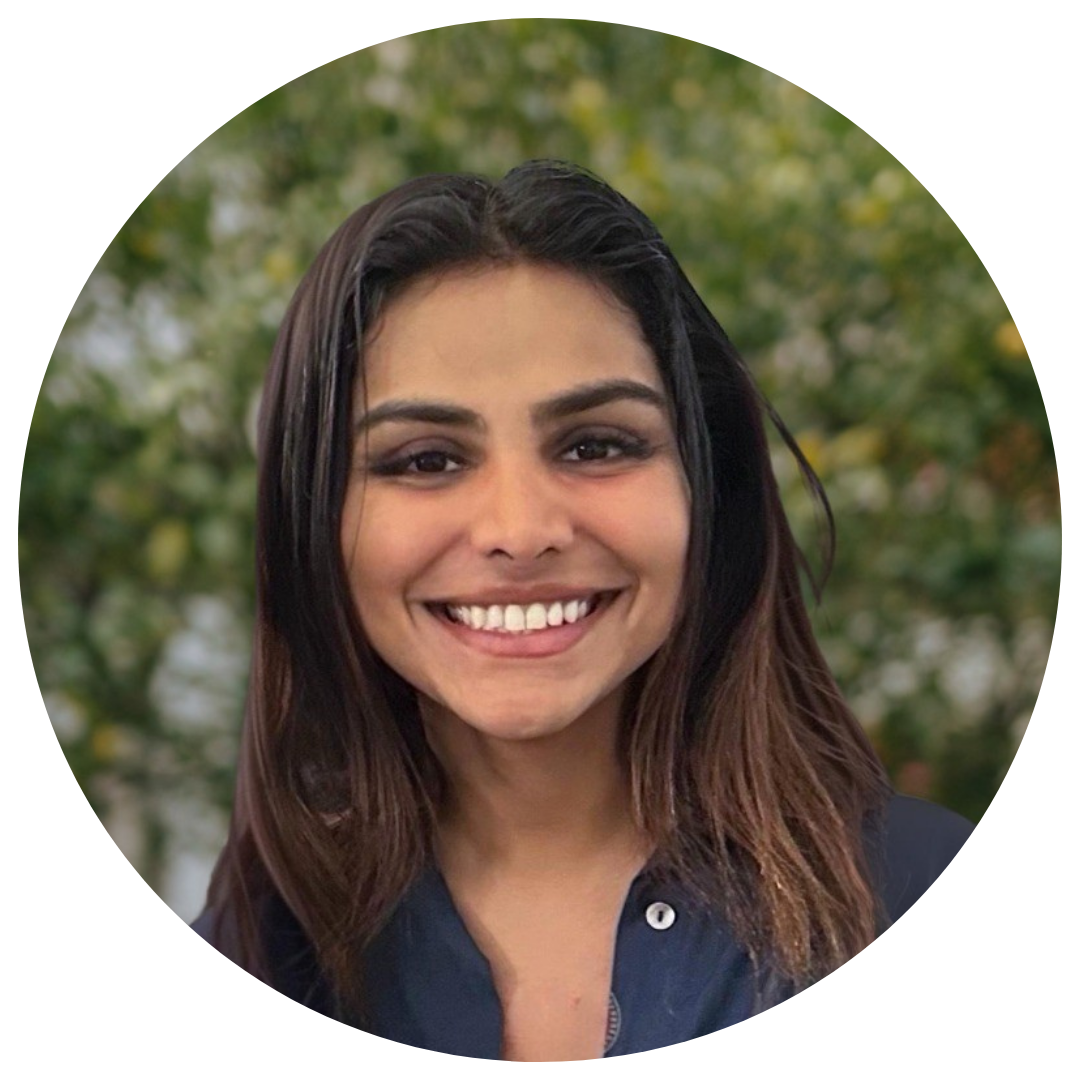 Addie Achan
Addie Achan is the Founder and Principal Investigator of The Kaleidoscope Project, an independent research and infrastructure initiative advancing evidence-based accountability for AI in social impact. As a fellow, Addie will focus on creating pathways for communities to govern and assess the AI systems deployed within them so that "AI for Good" initiatives are held accountable to their promise.
 Sabriya Alam
Sabriya Alam is a PhD candidate in Computer Science at UC Berkeley, where she studies AI-mediated religious guidance among Muslim communities in the United States. Her work raises broader questions about how AI is reshaping authority, expertise, and knowledge transmission in domains where mistakes carry ethical, cultural, and spiritual consequences. Sabriya will use her fellowship to study how AI is transforming relationships between people and traditional institutions of expertise and how longstanding epistemic traditions, such as classical Islamic scholarship, can help inform the design and alignment of AI systems for sensitive, high-stakes contexts.
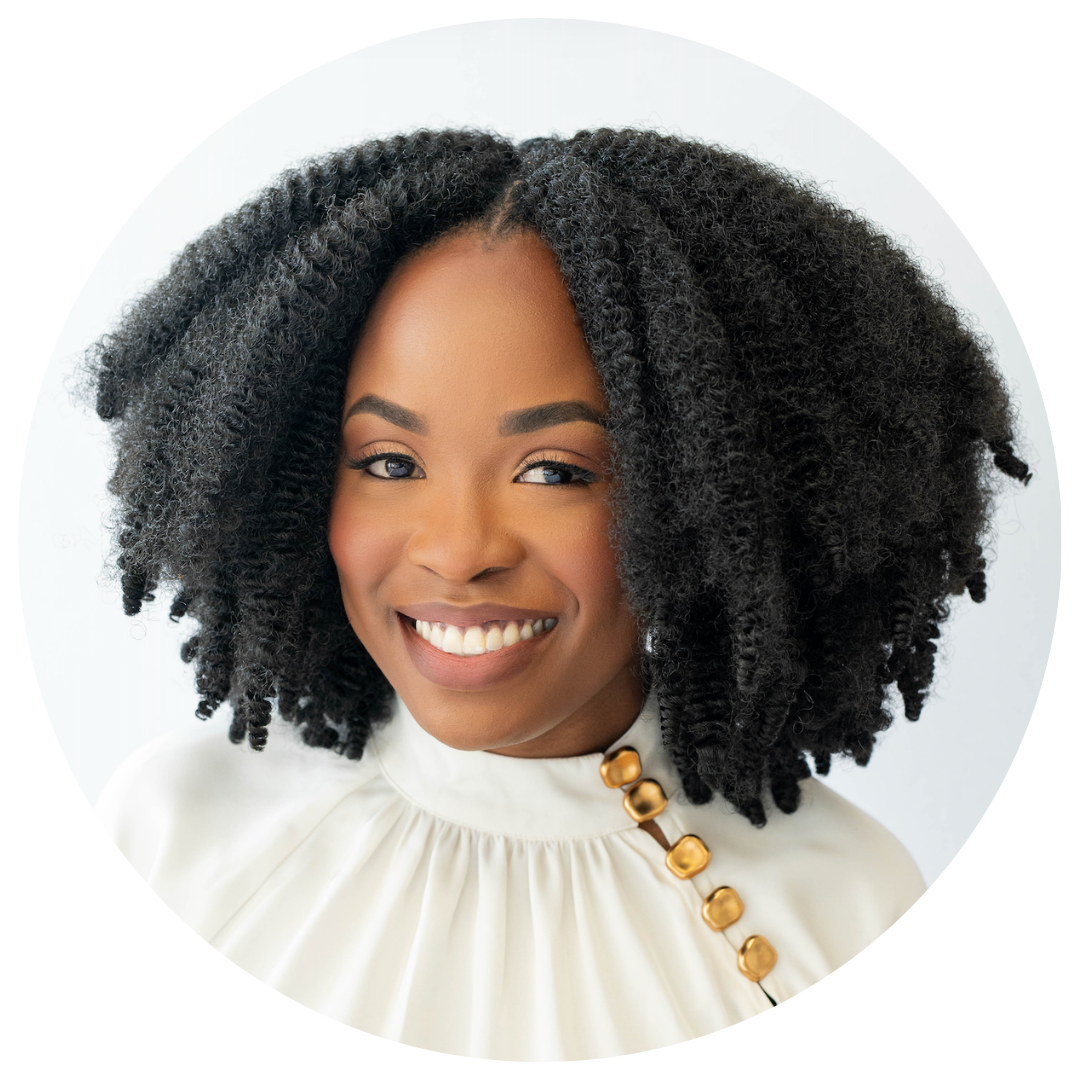 Danielle (Davis) Canty, Esq.
Danielle (Davis) Canty, Esq. is Senior Advisor and Director of Technology Policy Programs at the Joint Center for Political and Economic Studies. Her research asks: What happens when our most sacred human experiences become data? She introduces Sacred Data, a term she has coined to describe sacred or spiritually significant human expression once it becomes extractable, analyzable, and reproducible within AI systems. At BKC, she will examine the legal, ethical, theological, and governance questions raised by Sacred Data, using Christian communities within Black America as the entry point for developing a governance framework and public-facing resources.
 Merve Cerit Burgoon
Merve Cerit Burgoon is a computer scientist, engineer, and PhD candidate at Stanford whose research sits at the intersection of digital behavior, wellbeing, and AI. She builds computational frameworks and measures to study how people develop alongside AI systems. During her fellowship, she will examine sustained human–AI interaction through longitudinal behavioral data.
 Jiaee Cheong
Jiaee Cheong is a research scientist whose work focuses on advancing trustworthy, safe, and reliable human-centered AI. Her research centers on developing trustworthy AI agents through metacognitive adaptation. Beyond her research, she serves on the drafting and editorial support team for the UN's Independent International Scientific Panel on AI and contributes to the development of its ongoing scientific assessment reports.
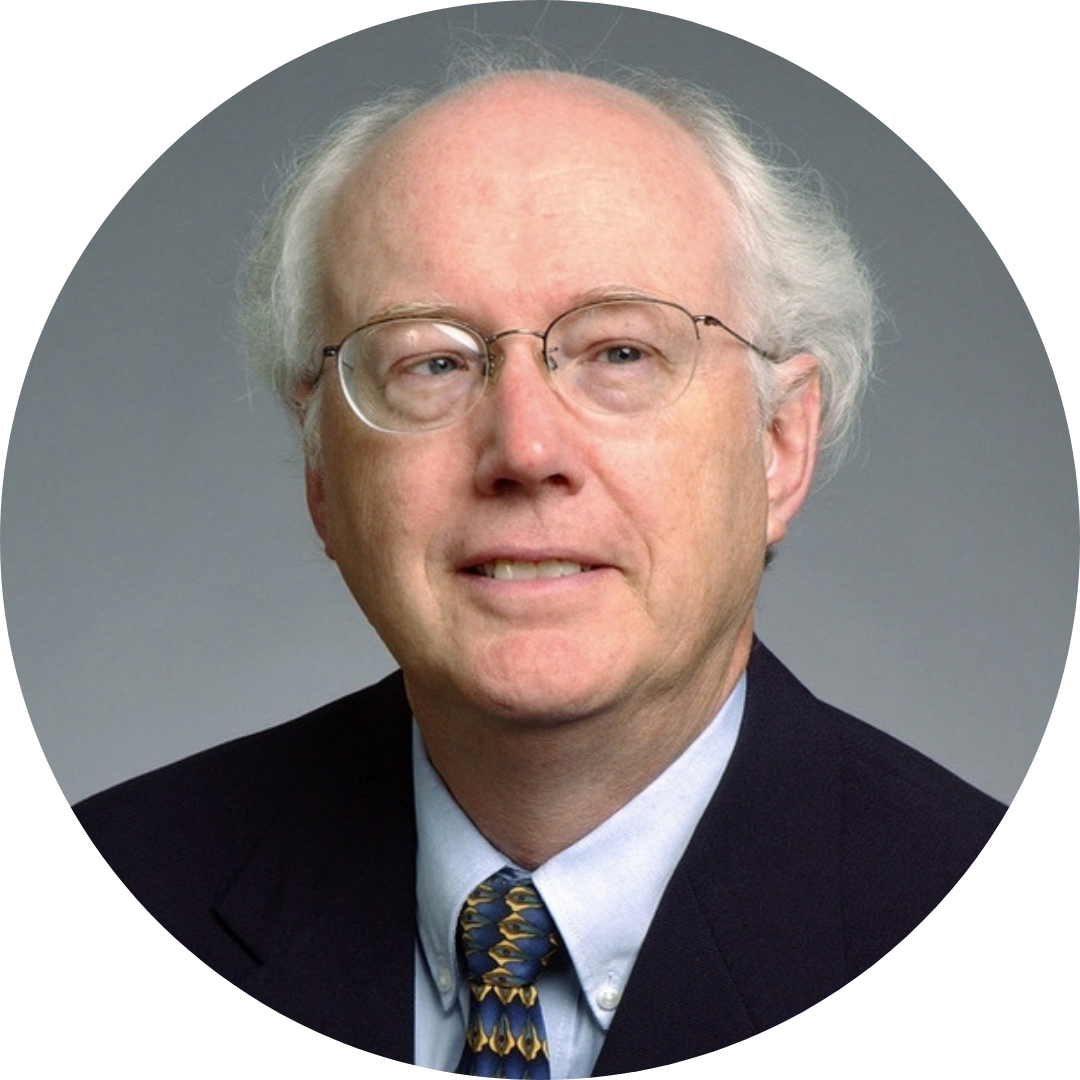
David Clark
David Clark is a Senior Research Scientist at the Massachusetts Institute of Technology. As a fellow, he will research how AI can be shaped to make the online Internet experience more benign. He believes the short-term impact of AI is likely to amplify all of the malicious and manipulative aspects of the Internet experience for the typical user and that solutions will have to arise from a multi-disciplinary study of the challenge.
 Jenny Fu
Jenny Fu is a human-computer interaction researcher who studies the AI-mediated self. Her work examines how AI changes the ways people understand and present themselves. As a fellow, she will develop methods to evaluate how closely people integrate AI into their sense of self and identify practices that support human agency and healthy boundaries.
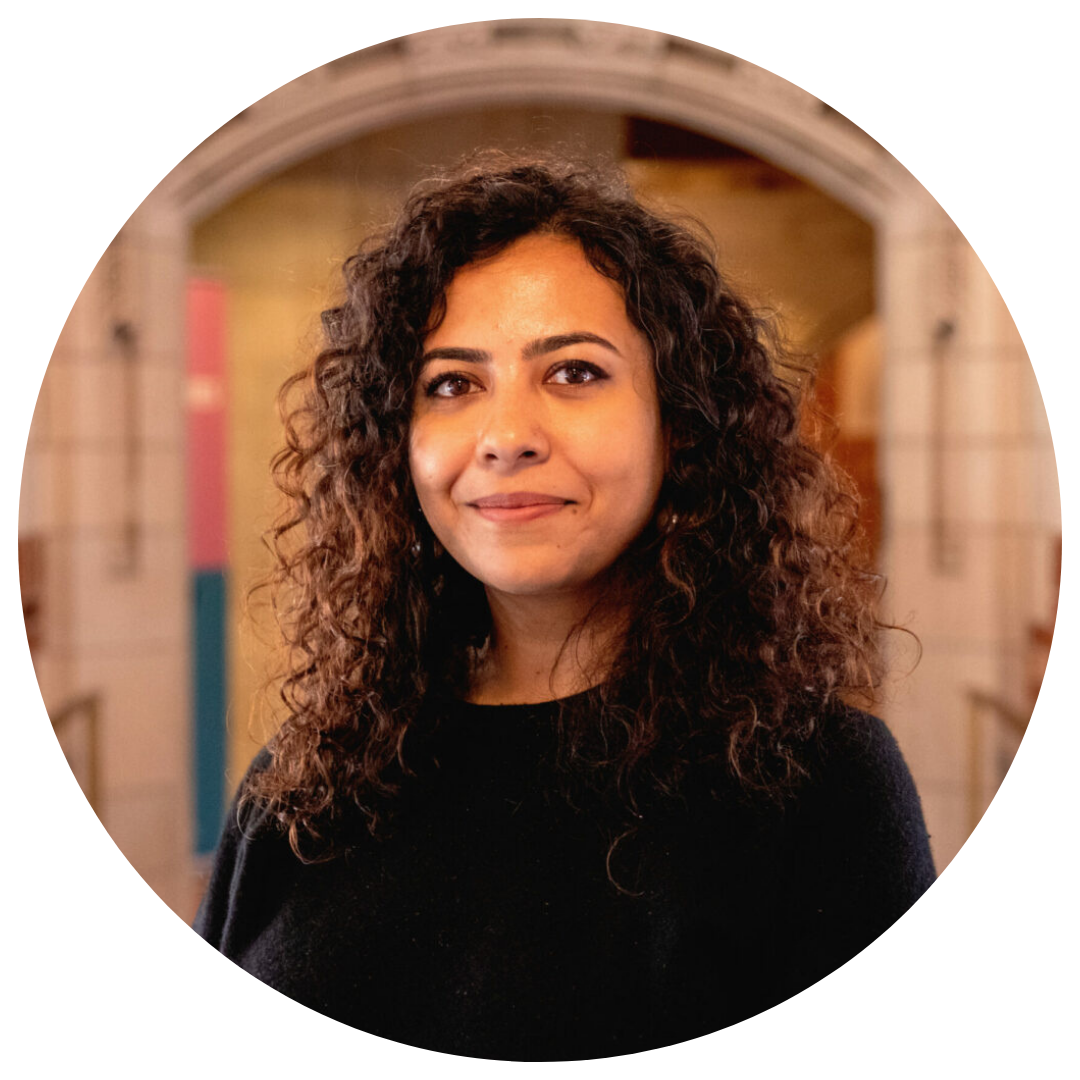 Akriti Gaur
Akriti Gaur is a constitutional lawyer and technology policy advisor working on AI, democracy, and digital governance. Her academic and professional experience spans government, courts, and research institutions including Yale Law School, the Yale Information Society Project, and the European Court of Human Rights. As a fellow, her project will map the mainstreaming of agentic AI products in individual political life and democratic discourse, moving power from political institutions to privately owned AI infrastructure.
 Angel Hsing-Chi Hwang
Angel Hsing-Chi Hwang is an Assistant Professor of Communication at University of Southern California Annenberg and a researcher on human-AI interaction. As a fellow, she will explore how people navigate interpersonal decisions and form social expectations as AI increasingly participates in humans' social lives.
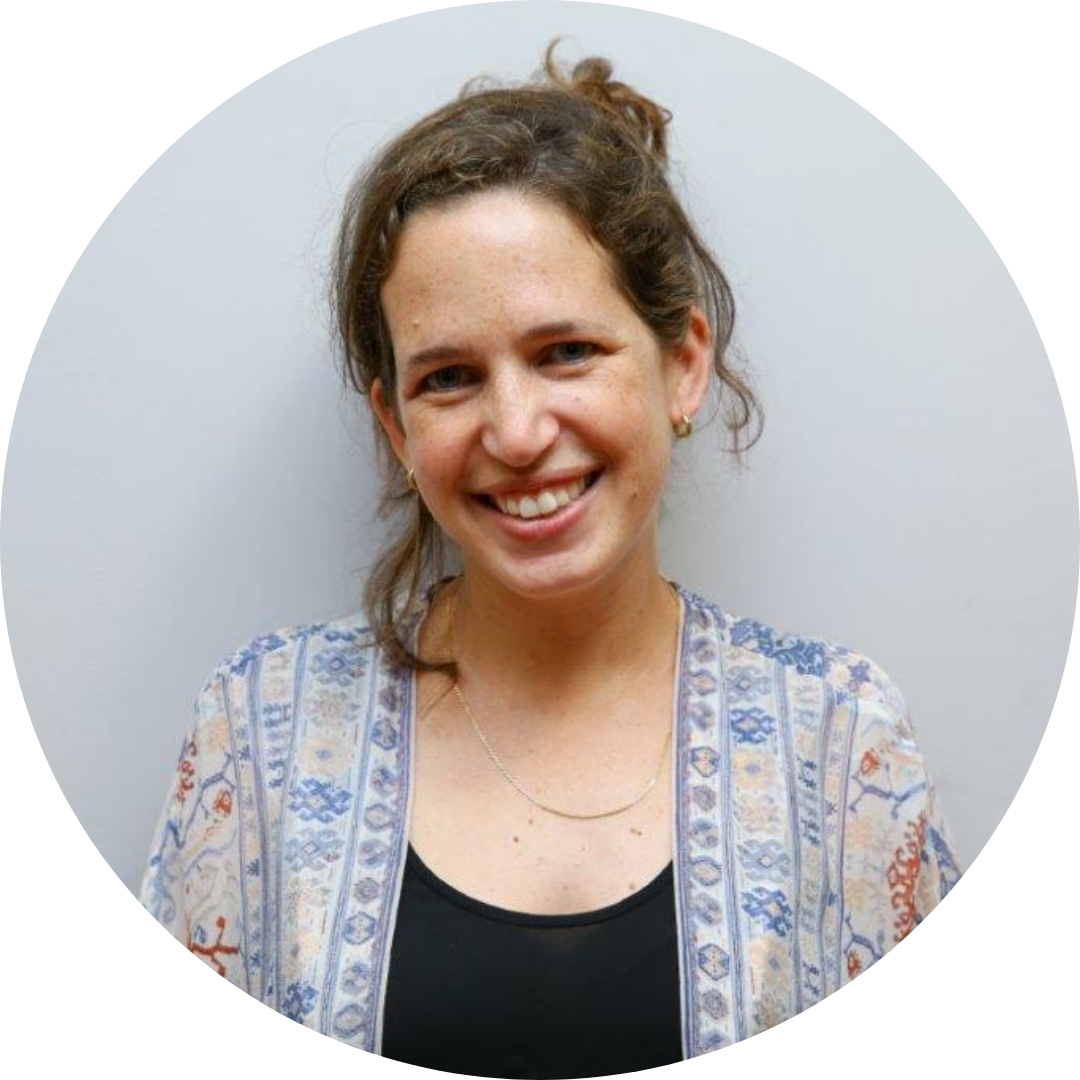 Anat Perry
Anat Perry is an Associate Professor of Psychology at the Hebrew University of Jerusalem and Director of the Social Cognitive Neuroscience Lab. Her research examines the distinction between AI-generated and human empathy, using behavioral experiments, eye-tracking, EEG, and field studies. As a Berkman Klein fellow, she will continue to investigate how interactions with AI shape human experience, and what these changes mean for the future of human connection and society.
 Christian Sandvig
Christian Sandvig is the Director of the Center for Ethics, Society, and Computing (ESC) and Collegiate Professor of Information at the University of Michigan. His new book, Auditing AI, is an accessible introduction for non-experts that explains how to test AI systems — the long-term focus of his research. As a Berkman Klein fellow, he will focus on AI and youth safety.
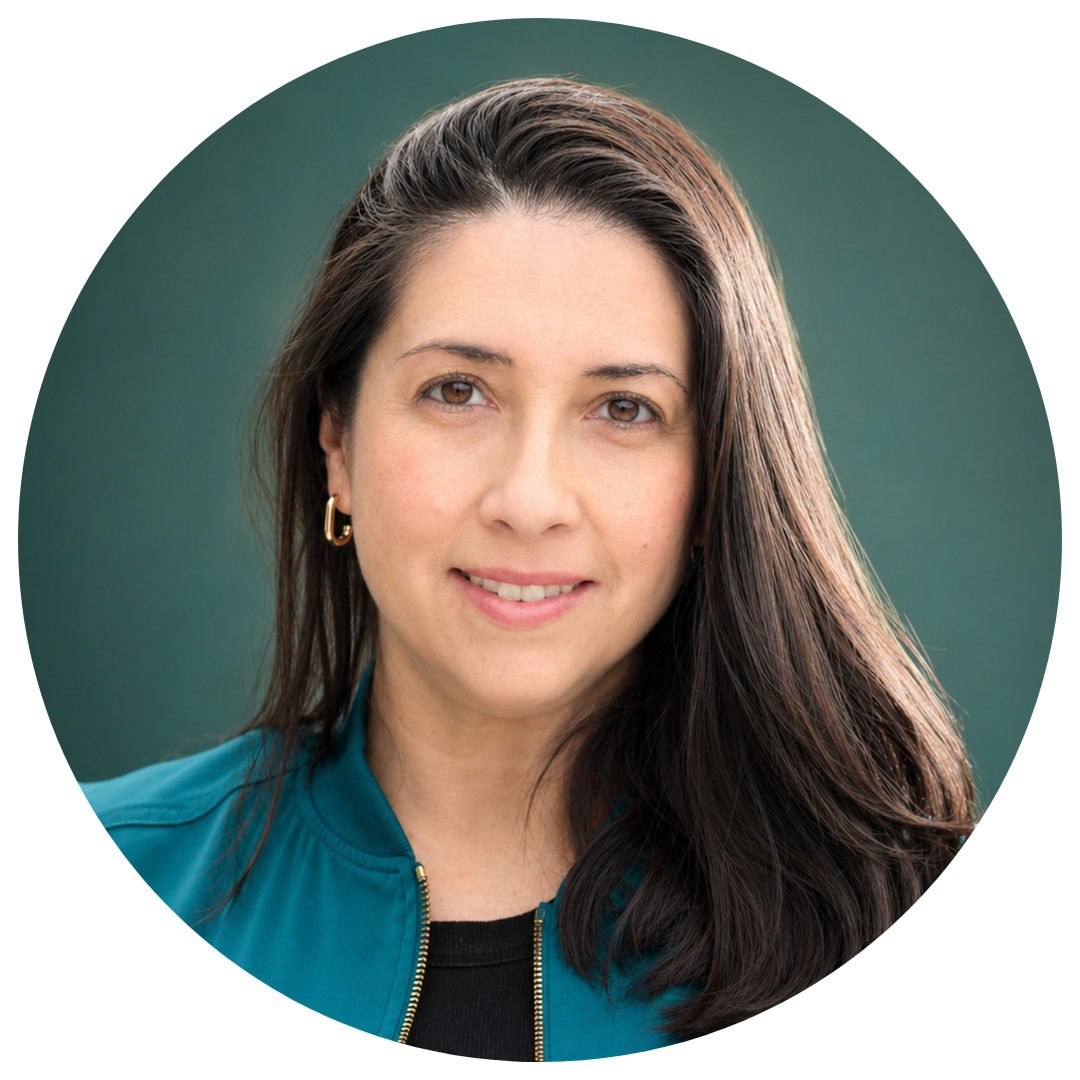 Erin Smith
Erin Smith is a Boston-based journalist who most recently was a senior engagement editor at Politico. Her work as an investigative and engagement reporter has focused on accountability that drives concrete change. As the 2027-2027 Nieman-Berkman Klein Fellow in Journalism Innovation, she will study survey science, crowdsourcing, and AI-assisted methods to help journalists better measure public opinion on sensitive topics.
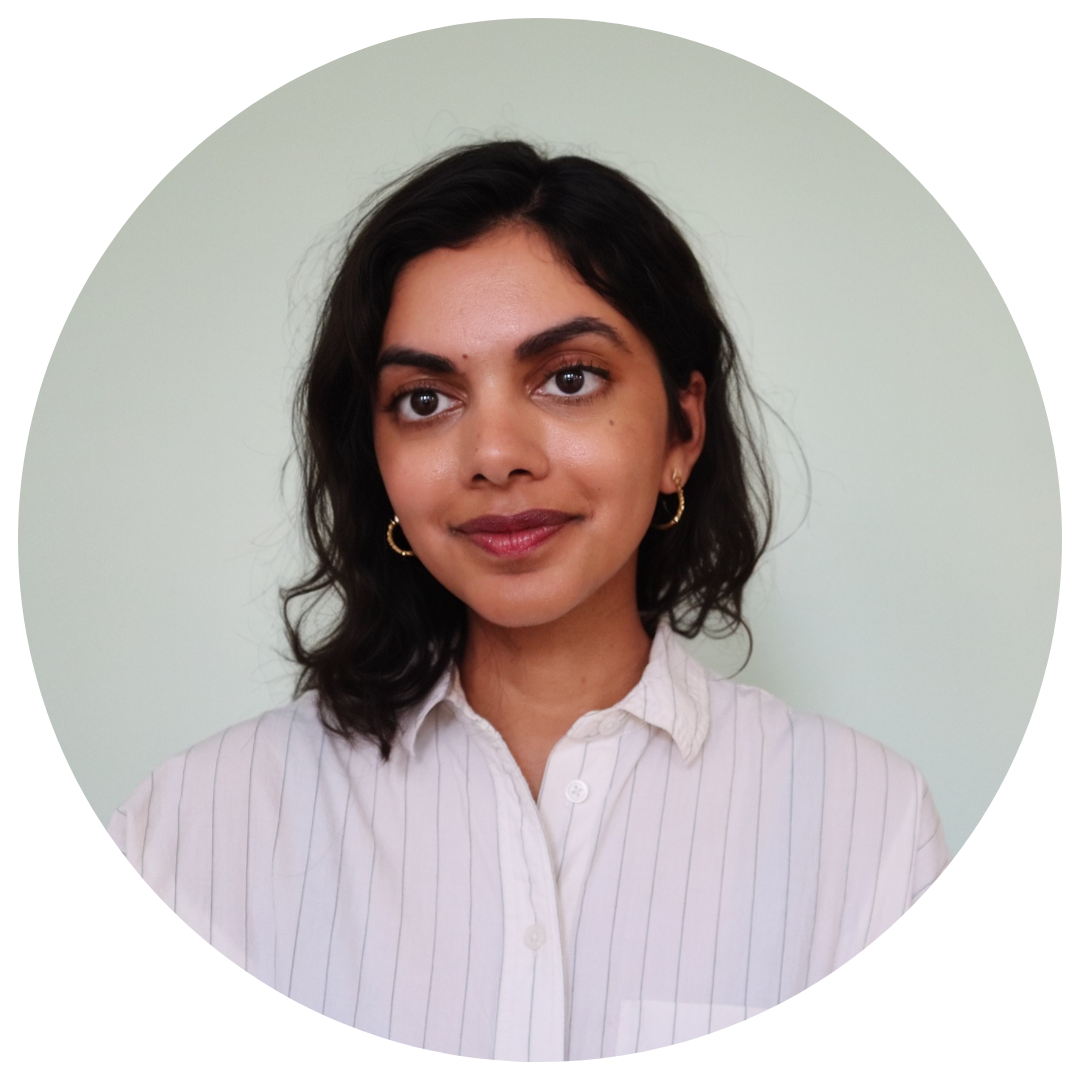 Harini Suresh
Harini Suresh is an Assistant Professor of Computer Science at Brown University. She runs the Data in Society Collective (DISCO Lab), which explores participatory approaches to ground AI systems in context and community needs. As a fellow at the Berkman Klein Center, she will work on understanding and supporting human experiences and agency as AI permeates workplaces.
 Sam Suri
Sam Suri is a privacy and security researcher focused on protecting the privacy of our everyday movements and actions, the security of our devices, and the vulnerable groups most impacted by technology risks. Sam will work closely with BKC Board member Professor James Mickens to research approaches for sandboxing misaligned AI models and create theoretical safeguards through model interpretability mechanisms.